
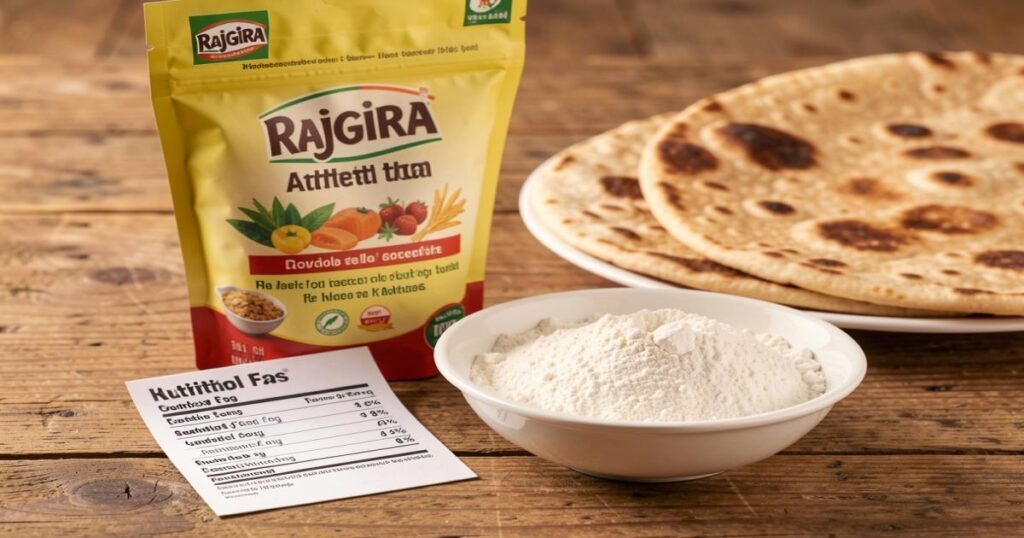
Rajgira atta, also known as amaranth flour, is no longer limited to fasting days or traditional recipes. Across India, health-conscious families are rediscovering this ancient grain for its impressive nutrition profile, gluten-free nature, and versatility in everyday cooking.
From people managing gluten intolerance to those looking for high-protein, mineral-rich alternatives to wheat, rajgira atta is gaining popularity for all the right reasons. It is deeply rooted in Indian food culture, especially during vrat (fasting) periods, yet modern nutrition science now supports what traditional wisdom always knew.
This detailed guide explains what rajgira atta is, its health benefits, nutritional value, uses, pros and cons, buying tips, storage advice, and who should consume it. Whether you are new to rajgira atta or want to use it more effectively, this article will help you make informed choices.
What Is Rajgira Atta?
Rajgira atta is flour made from rajgira seeds, commonly known as amaranth. Although often called a grain, rajgira is technically a pseudo-cereal, similar to quinoa and buckwheat.
In India, rajgira has been cultivated for thousands of years and is traditionally consumed during religious fasts. However, its nutritional richness makes it suitable for daily consumption as well.
Common Indian Names of Rajgira
- Rajgira
- Ramdana
- Chaulai
- Amaranth
Rajgira atta has a slightly nutty, earthy flavor and a light brown to off-white color, depending on how it is processed.
Nutritional Profile of Rajgira Atta
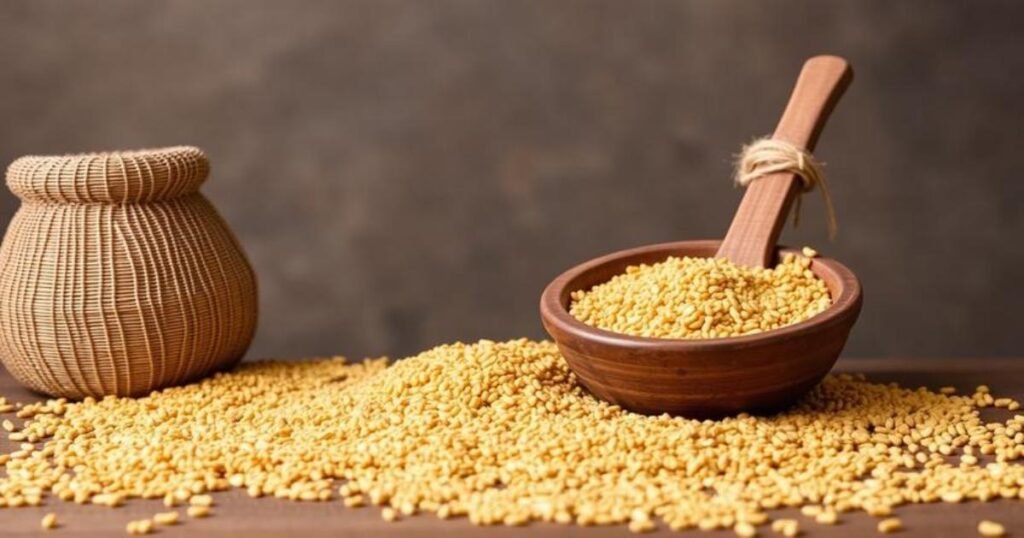
Rajgira atta stands out because it offers complete nutrition, including protein, fiber, and essential minerals. Unlike refined flours, it is naturally nutrient-dense.
Key Nutrients Found in Rajgira Atta
- High-quality plant protein
- Dietary fiber
- Calcium
- Iron
- Magnesium
- Phosphorus
- Potassium
- B-complex vitamins
- Natural antioxidants
Protein Quality in Rajgira Atta
One of the most impressive aspects of rajgira atta is that it contains all essential amino acids, including lysine, which is often missing in cereal grains like wheat and rice. This makes it especially valuable for vegetarians.
Health Benefits of Rajgira Atta
1. Naturally Gluten-Free
Rajgira atta does not contain gluten, making it suitable for:
- People with gluten sensitivity
- Individuals following a gluten-free diet
- Those with digestive discomfort from wheat
This is one reason rajgira atta is considered a safe wheat alternative.
2. Supports Bone Health
Rajgira atta is rich in calcium, magnesium, and phosphorus. These minerals:
- Help maintain strong bones and teeth
- Support bone density
- Are especially beneficial for growing children and older adults
Including rajgira atta regularly may support long-term skeletal health.
3. Good for Heart Health
Rajgira atta contains natural compounds that may help:
- Maintain healthy cholesterol levels
- Support proper blood circulation
- Reduce oxidative stress
Its fiber content also plays a role in heart health by supporting digestion and fat metabolism.
4. Helps Maintain Healthy Digestion
The dietary fiber in rajgira atta:
- Supports gut health
- Helps prevent constipation
- Improves overall digestion
Because it is lighter than refined wheat flour, many people find it easier to digest.
5. Supports Weight Management
Rajgira atta can be helpful in balanced diets because:
- It promotes fullness
- Helps control appetite
- Slows digestion due to fiber and protein
When consumed in moderation, it can support healthy weight goals.
6. Suitable for Diabetic-Friendly Diets (When Used Wisely)
Rajgira atta has a lower glycaemic response compared to refined flours when:
- Consumed in controlled portions
- Combined with fiber-rich vegetables or proteins
It can be a better option than refined flour for people monitoring blood sugar levels.
7. Boosts Energy Naturally
Rajgira atta provides sustained energy because of:
- Complex carbohydrates
- Essential minerals like iron and magnesium
This makes it useful for physically active individuals and those experiencing fatigue.
Rajgira Atta vs Wheat Atta: A Practical Comparison
| Aspect | Rajgira Atta | Wheat Atta |
| Gluten | Gluten-free | Contains gluten |
| Protein quality | Complete amino acids | Incomplete |
| Fiber | Moderate to high | Moderate |
| Digestibility | Easy for many | Can cause issues for some |
| Traditional use | Fasting & health foods | Daily staple |
Rajgira atta is not meant to replace wheat entirely for everyone, but it serves as an excellent alternative or supplement.
Uses of Rajgira Atta in Indian Cooking
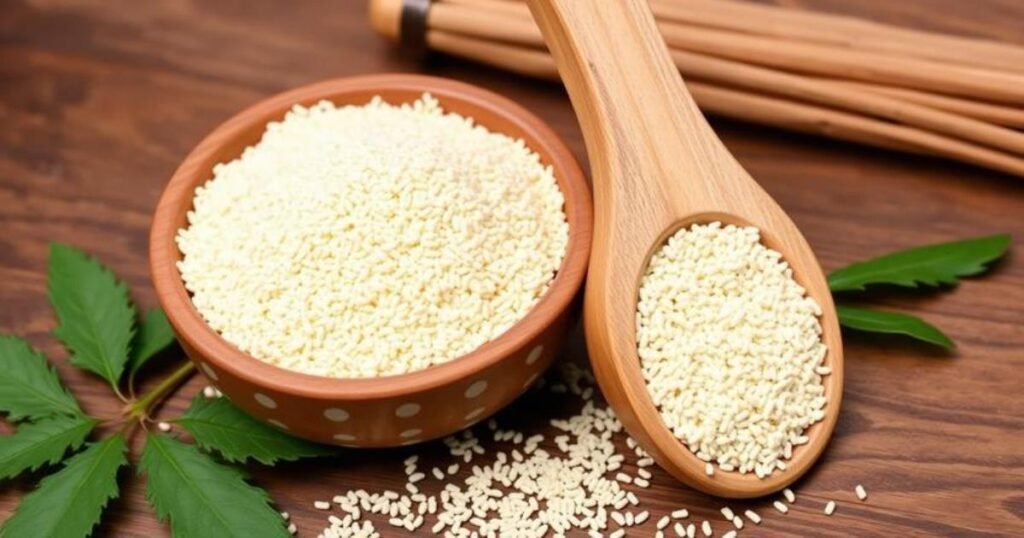
Rajgira atta is surprisingly versatile and can be used in many recipes.
Common Dishes Made with Rajgira Atta
- Rajgira roti or bhakri
- Rajgira paratha
- Rajgira puri
- Fasting thalipeeth
- Pancakes and cheelas
- Laddoos and halwa
- Flatbreads blended with other flours
Tips for Cooking with Rajgira Atta
Rajgira atta behaves differently from wheat flour.
Helpful tips:
- Mix with other flours for a better texture
- Use warm water for kneading
- Add binding agents like mashed potatoes if needed
- Roll between sheets instead of using dry flour
Rajgira Atta During Fasting (Vrat)
Rajgira atta is widely consumed during Indian fasting periods because it is:
- Considered sattvic
- Easy to digest
- Filling and nourishing
It is commonly used during:
- Navratri
- Ekadashi
- Mahashivratri
Even outside fasting, its nutritional value makes it suitable for regular meals.
Is Rajgira Atta Good for Children?
Yes, rajgira atta can be beneficial for children when included appropriately.
Benefits for children:
- Supports growth due to protein
- Strengthens bones
- Provides minerals for development
It should be introduced gradually and balanced with other grains.
Is Rajgira Atta Good for Elderly People?
Rajgira atta can be helpful for older adults because:
- It is soft on digestion
- Supports bone health
- Provides iron and calcium
However, portion control is important due to its calorie density.
Pros and Cons of Rajgira Atta
Pros
- Naturally gluten-free
- High-quality plant protein
- Rich in essential minerals
- Suitable for fasting diets
- Supports digestion and energy
Cons
- Slightly heavy if overconsumed
- Texture can be tricky for beginners
- Not ideal as the sole flour for daily meals
Understanding both sides helps you use rajgira atta wisely.
How to Choose Good Quality Rajgira Atta
When buying rajgira atta, consider these factors:
1. Texture and Color
- Should be finely ground
- Light beige to pale brown
- No lumps or moisture
2. Aroma
- Mild, nutty smell
- No sour or stale odor
3. Purity
- Should not contain added starches
- Free from artificial color or preservatives
4. Grinding Method
Stone-ground or minimally processed rajgira atta generally retains more nutrients.
How to Store Rajgira Atta Properly
Proper storage helps preserve freshness and nutrition.
Storage Tips
- Store in an airtight container
- Keep away from heat and moisture
- Refrigerate in warm climates if possible
- For optimal quality, it’s best to use it within a few months
Because it contains natural oils, rajgira atta can spoil faster than refined flours.
Rajgira Atta for Everyday Diets: How to Use It Safely
Rajgira atta works best when:
- Used 2–3 times a week
- Combined with vegetables, curd, or dals
- Part of a balanced Indian diet
It is not necessary to replace all grains with rajgira atta to enjoy its benefits.
Myths About Rajgira Atta
1: Rajgira Atta Is Only for Fasting
Fact: It is suitable for regular consumption in moderation.
2: Rajgira Atta Is Difficult to Digest
Fact: When prepared properly, it is easy on the stomach.
3: Rajgira Atta Causes Weight Gain
Fact: Weight gain depends on portion size and overall diet, not the flour alone.
Sustainability and Traditional Value of Rajgira
Rajgira is a resilient crop that:
- Requires less water
- Grows in varied climates
- Has been cultivated in India for centuries
Choosing rajgira supports traditional grains and dietary diversity.
Who Should Avoid or Limit Rajgira Atta?
While generally safe, some people should be cautious:
- Those with kidney issues (due to mineral content)
- Individuals are advised to follow low-protein diets
- Anyone experiencing discomfort after consumption
Consulting a nutrition professional is recommended for specific conditions.
Conclusion: Is Rajgira Atta Worth Including in Your Diet?
Rajgira atta is a powerful example of how traditional Indian foods align with modern nutrition science. Rich in protein, minerals, and fiber, it offers real health benefits when used correctly.
While it may not replace wheat or rice entirely, rajgira atta is an excellent addition to a balanced Indian diet, especially for those seeking gluten-free, nutrient-dense alternatives. Start small, experiment with recipes, and enjoy the benefits of this ancient supergrain.
If you found this guide helpful, consider sharing it or leaving a comment with your experience using rajgira atta.
Frequently Asked Questions (FAQ)
Q1. Is Rajgira atta completely gluten-free?
Yes, rajgira atta is naturally gluten-free and suitable for gluten-sensitive individuals.
Q2. Can Rajgira atta be eaten daily?
It can be consumed a few times a week as part of a balanced diet rather than a daily replacement.
Q3. Is Rajgira atta good for weight loss?
It may support weight management due to fiber and protein when eaten in controlled portions.
Q4. Can diabetics eat rajgira atta?
Yes, in moderation and combined with fiber-rich foods, as part of a balanced diet.
Q5. Does Rajgira atta cause bloating?
Overconsumption may cause heaviness in some people; portion control helps prevent this.
Q6. Can children eat rajgira atta?
Yes, it supports growth and nutrition when included appropriately.
Q7. Is Rajgira atta better than wheat atta?
It is different, not better or worse; each has its own nutritional strengths.