
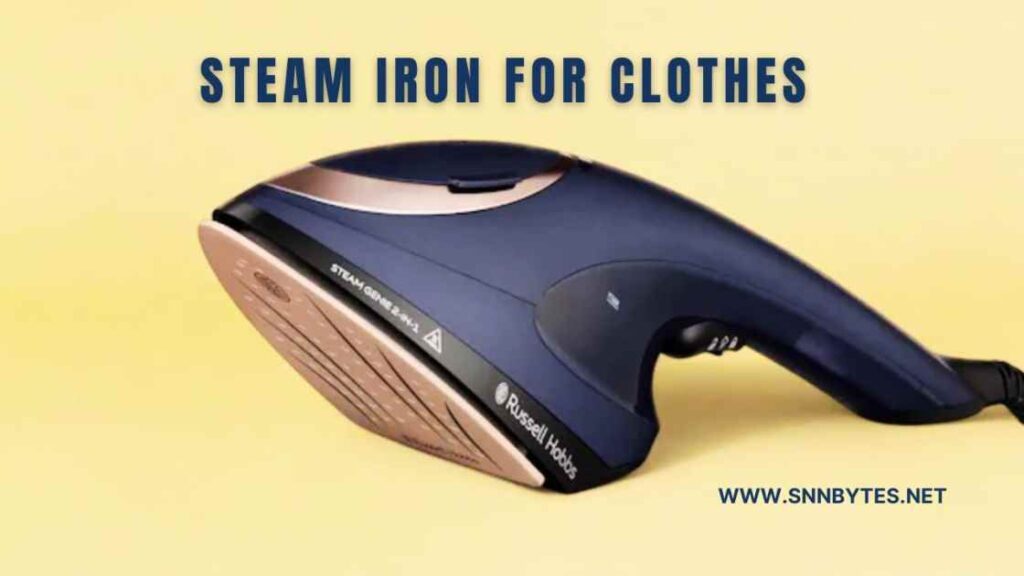
A steam iron for clothes is more than an appliance; it is a time saver, a wrinkle destroyer, and for many households an unexpected tiny miracle. Whether you are dressing for work, prepping garments for travel, or giving a shirt a last minute touch before an important meeting a good steam iron changes how fast and how well you can get the job done.
This article dives deep into everything you need to know so you can buy smart compare features and apply practical tips that extend the life of your garments and the iron itself.
Why a steam iron for clothes matters
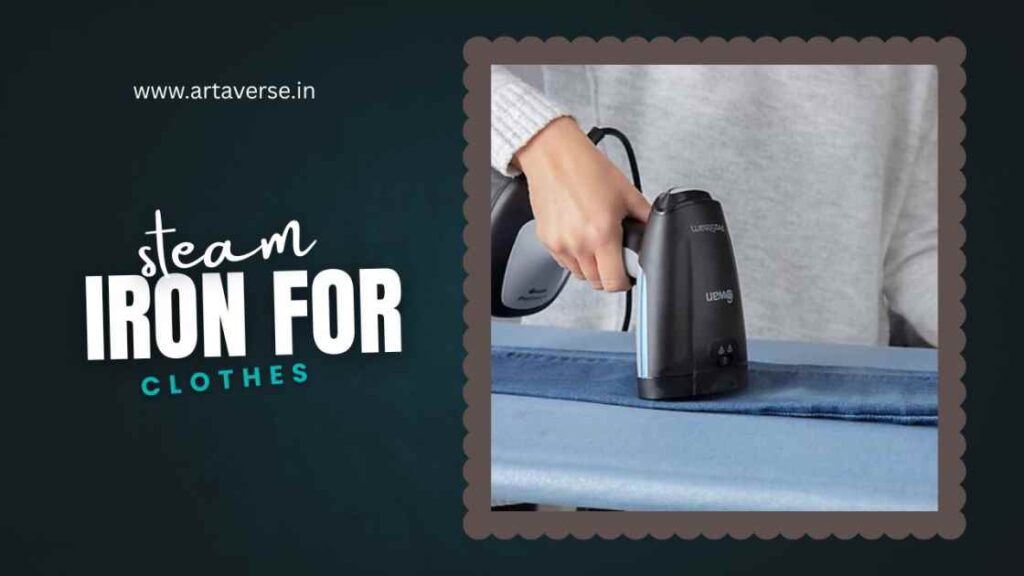
Ironing is a mundane chore that can feel tedious. But the right steam iron turns that chore into something quicker and more effective. Steam penetrates fibers, it relaxes creases and it produces a smoother finish than dry heat alone. Different fabrics respond differently to steam. Delicate silks, thick cottons and synthetic blends all require slightly different approaches. Knowing how to match a steam iron for clothes to your wardrobe and lifestyle is the first step toward faster, better results.
What a steam iron for clothes actually does and why it outperforms a dry iron
Steam adds moisture which softens fibers. Soft fibers are easier to reshape. The high temperature combined with steam flattens wrinkles more efficiently than heat alone. Many steam irons also offer vertical steaming so you can freshen curtains suits and hanging garments without an ironing board. That versatility is especially valuable if you travel or need quick touch ups.
Quick comparison table to guide your decision
Below is a concise table comparing common steam iron types and key features to watch for. This table is placed here so you can quickly see the tradeoffs at a glance before diving into deeper buying tips and usage techniques
| Steam Iron Type | Best for | Typical Steam Output | Power Range | Pros | Cons |
| Traditional Steam Iron | Everyday ironing at home | Moderate sustained steam | 1200 to 2400 W | Lightweight easy to store affordable | Smaller water tank needs frequent refill |
| Steam Generator Iron | Heavy-duty home use and frequent ironing | Very high continuous steam | 2400 W and up | Long continuous steam large water tank fast wrinkle removal | Bulky higher cost |
| Travel Steam Iron | On the go touch ups | Low to moderate | 800 to 1500 W | Compact dual voltage options quick heating | Less power smaller soleplate |
| Vertical Steamer | Fabrics on hangers, curtains | Moderate to high steam burst | 1200 to 2000 W | No board needed gentle on delicate fabrics | Slower flattening for heavy creases |
| Garment Steamer Full Size | Garment refresh and delicate fabrics | High steam volume | 1500 W plus | Quick refresh large capacity gentle | Less precise pressing for structured garments |
How to choose the best steam iron for clothes
Assess your typical ironing volume
If you iron multiple loads weekly or manage uniforms and linens a steam generator iron is worth the investment. If you iron only occasionally a traditional steam iron or travel model may fit your needs better.
Check the soleplate material
Soleplates come in stainless steel ceramic and coated varieties. Stainless steel glides well and resists scratches. Ceramic offers smooth gliding and even heat distribution making it a strong all around choice. Some nonstick coatings move smoothly but can wear off over time. Think about longevity and how often you will use the iron when choosing a soleplate.
Steam output and modes
Look for irons with adjustable steam and shot-of-steam or burst features. Continuous steam is great for big jobs. A high steam shot helps with stubborn creases. Vertical steam function is useful for hanging items and drapes.
Water tank capacity and refill convenience
A larger tank means fewer refills. Removable tanks are easier to fill. Transparent tanks help you see water level at a glance. If your iron uses tap water check whether the manufacturer recommends distilled water to prevent scale buildup.
Temperature control and fabric settings
Reliable temperature control with clear fabric settings simplifies ironing. Auto temperature features remove guesswork and protect delicate materials. An iron that heats quickly and maintains steady temperature makes long sessions less frustrating.
Safety features
Automatic shutoff is a must for safety and energy savings. Anti-drip tech prevents water marks at low temperatures. Self-clean and anti-scale features reduce mineral buildup extending the life of your iron for clothes.
Weight and ergonomics
For long ironing sessions a well-balanced iron reduces wrist fatigue. Heavier irons press better with less physical effort. Lighter irons are easier to handle for touch ups and quick jobs. Choose what suits your routine.
Detailed buying checklist for a steam iron for clothes
Performance essentials
- Wattage and heat recovery speed
- Maximum continuous steam rate in g per minute
- Steam burst capacity in g per shot
Convenience features
- Removable or large water tank
- Spray mist option
- Cable length and swivel base
- Cord storage or retractable cord
Durability and maintenance
- Anti-scale systems
- Self-cleaning cycles
- Replaceable parts and warranty terms
Extras to consider
- Precision tip for collars and seams
- Accessories like ironing board mats or travel pouches
- Dual voltage for international travel
How to use a steam iron for clothes like a pro
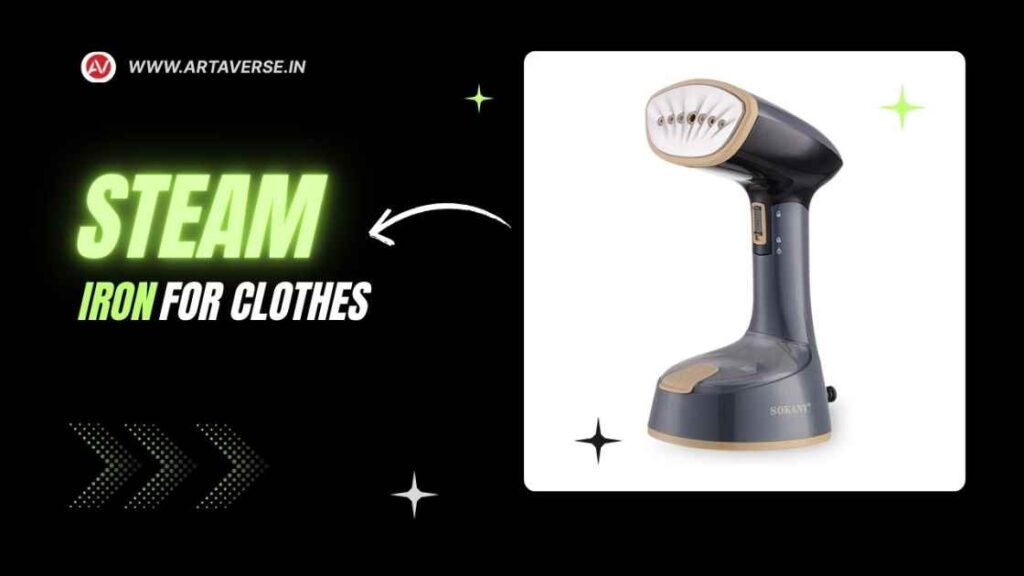
Prepare clothing and iron
Always check garment care labels first. Sort items by recommended temperature. Fill the tank with clean water if required by the manufacturer. Preheat the iron to the recommended temperature for the fabric you will start with.
Iron in the correct order
Start with lower temperature fabrics like silk when the iron is cool. Move to cotton and then linen which require higher heat. This prevents scorching delicate fabrics and reduces the need to cool down and heat up repeatedly.
Technique matters
Use smooth long strokes for broad sections and short precise movements near collars and cuffs. Apply gentle pressure and let steam do the work. Avoid moving the iron as a scraper. Instead lift and glide.
Vertical steaming tips
Hang the garment on a sturdy hanger. Hold the fabric taut with one hand and steam from top to bottom. Keep the iron slightly away from embellishments like beading to prevent damage.
Caring for your steam iron for clothes and troubleshooting common problems
Regular cleaning
Empty the water tank after use to reduce scale buildup. Use the manufacturer recommended self-clean feature periodically. For stubborn deposits a vinegar solution can help but only when the manual allows.
When the iron leaks
Leaks often occur when the soleplate is set too cool for steam use. Increase temperature or use the steam setting for appropriate fabrics. Anti-drip features reduce this but they are not foolproof.
When steam output drops
Check for scale buildup. Use the self-clean function and a descaling routine if the manual permits. If your model has an anti-scale cartridge replace it as recommended.
When iron sticks to fabrics
Inspect the soleplate for residue. A dirty soleplate can be cleaned with a damp cloth after cooling or with a manufacturer suggested cleaner. Avoid abrasive cleaners that scratch coatings.
Advantages and limitations of each steam iron type
Traditional steam iron advantages
- Affordable and compact
- Fast start up and easy storage
- Good for light to moderate ironing sessions
Traditional steam iron limitations
- Smaller water tanks mean frequent refills
- Not ideal for very large volumes of ironing
Steam generator iron advantages
- Massive continuous steam output
- Large water tanks for long sessions
- Fast and effective for heavy cottons and linens
Steam generator limitations
- Higher cost and more bulky footprint
- More storage considerations
Travel steam iron advantages
- Portable and quick for touch ups
- Often dual voltage for travel
Travel steam iron limitations
- Less power and smaller surface area for big jobs
Vertical steamers advantages
- No board needed gentle on delicate fabrics quick for curtains
Vertical steamers limitations
- Less precise pressing for structured garments like dress shirts
Eco friendly choices and energy considerations
Choosing a high efficiency steam iron for clothes can reduce energy consumption. Look for irons with rapid heat recovery and auto shut off. When possible choose models with longer warranties and replaceable parts. These reduce waste by extending the product life. Also consider ironing more at once to make the most of heating cycles rather than multiple short sessions.
Top features to prioritize by user type
For families and heavy users
- Steam generator iron with large tank
- Powerful continuous steam output
- Durable soleplate and robust warranty
For apartment dwellers with limited storage
- Compact traditional steam iron with fold away cord
- Rapid heat up and good glide performance
For travelers
- Lightweight travel iron with dual voltage
- Quick heat up small tank and durable travel case
For people with mixed wardrobes
- Versatile iron with precise temperature control
- Vertical steam capability for suits and delicate items
Common myths about steam ironing busted
Myth 1 Steam ruins delicate fabrics
Reality When used on correct settings steam can actually be gentler than dry heat. Always check garment labels and use low steam and low temperature for silk and synthetics.
Myth 2 Steam irons are all the same
Reality Features vary widely. Wattage steam rate soleplate material and anti-scale systems differ. These affect performance dramatically.
Myth 3 Higher wattage always means better
Reality Higher wattage helps heat recovery but ergonomic design and soleplate quality also matter. A well designed mid watt iron can outperform a poorly designed higher watt model.
Accessories that amplify your steam iron for clothes experience
Ironing board upgrades
A dense padding and a reflective cover can make ironing faster and less tiring. A good board enhances steam performance by reflecting heat back into the fabric.
Spray bottles and starch
Use a spray bottle to lightly dampen stubborn creases. Starch can help shirts look crisp but use sparingly to avoid buildup on the soleplate.
Pressing cloths
A small cotton cloth placed between the iron and a delicate garment protects fibers and finishes. It is especially useful for embroidery and prints.
Soleplate cleaners and maintenance kits
Using the recommended cleaners keeps the iron gliding like new and avoids stains on fabrics.
Buying smart compare features with practical scenarios
Imagine you have a small family with school uniforms, linens and occasional curtains. A steam generator might be overkill but a mid range traditional steam iron with a larger tank and strong steam burst gives the best balance of cost and performance.
If you operate a small tailoring service or steam clothes for a boutique a steam generator iron saves time and gives consistent results. Pair it with a sturdy ironing board and pressing cloth for delicate finishes.
If your main need is travel and quick touch ups choose a travel model that heats fast fits in luggage and offers dual voltage. For people who rarely iron but need crisp shirts a compact affordable steam iron with a nonstick soleplate will cover most needs.
Safety checklist for using a steam iron for clothes
- Always unplug before filling and cleaning
- Use a stable ironing board and keep the cord clear of the working area
- Never leave a hot iron face down on the board unattended
- Use auto shutoff if you are likely to be distracted
- Keep out of reach of children and pets while hot
Practical time saving tips
- Iron multiple items by fabric type to minimize temperature adjustments
- Use steam bursts for set in creases rather than laborious pressing
- Hang shirts immediately after ironing to preserve the finish
- Use vertical steam for jackets and dresses that are only slightly wrinkled
How to test a steam iron before buying in store
- Test glide on a sample fabric if available
- Check how quickly the iron heats up from cold
- Try the steam burst and continuous steam to see ramp up and consistency
- Inspect the soleplate edge and tip for precision in tight areas
Cost versus value explained
A more expensive steam iron for clothes can be a better investment if it reduces your ironing time, lasts longer, and needs fewer repairs. The key is to evaluate your usage. Low usage does not justify high end steam generator costs. Heavy usage does.
Checklist summary before you click buy
- Does it match your ironing volume
- Is steam output suited to the fabrics you use
- Is the soleplate durable and easy to clean
- Are safety and maintenance features sufficient
- Does it fit your storage and budget constraints
Conclusion
A steam iron for clothes is a smart purchase when chosen to match your lifestyle and wardrobe. From the compact travel iron to the heavy duty steam generator each type serves different needs. Prioritize features that match your ironing volume and fabric mix focus on reliable steam output and easy maintenance and never underestimate the value of a good soleplate and ergonomic design.
With the right iron and the right technique you will iron faster, get better results and keep your garments looking sharp for longer.
Frequently asked questions
What distinguishes a steam iron from a steam generator iron?
A: A steam iron combines the water tank and the heating element in one unit. A steam generator iron separates the boiler from the iron and stores water in a larger external tank providing higher continuous steam output and longer run time before refilling
Can I use tap water in my steam iron for clothes
A: Many manufacturers allow tap water in regions with soft water but they often recommend distilled water to avoid limescale buildup. Check the user manual for your model and follow any anti scale cartridge replacement schedule
Why is my steam iron for clothes leaking water
A: Leaks usually occur when using steam at too low a temperature or if the iron has been tilted after use. Anti drip systems help but cleaning scale and using the proper settings for steam will reduce leaks
What is the recommended frequency for descaling my steam iron
A: Frequency depends on water hardness and usage. For everyday use in hard water areas monthly descaling might be necessary. Use the manufacturer recommended descaling method to avoid damage
Is vertical steaming as effective as ironing on a board
A: Vertical steaming is excellent for refreshing garments and removing light wrinkles but for crisp creases and structured garments such as dress shirts and trousers flat ironing on a board is superior
How do I clean the soleplate of my steam iron for clothes without damaging it
A: Unplug and cool the iron first. Wipe with a damp cloth for light residue. For stubborn marks use a manufacturer recommended cleaner. Avoid abrasive scrubs that can scratch coatings and always test on a small area first
What fabrics should I avoid steam ironing
A: While many fabrics can handle steam on low settings avoid steam on heavily embellished or glued items and always be cautious with suede leather and certain synthetic blends that may be heat sensitive. When in doubt use a pressing cloth or test on an inside seam
Can I leave water in the iron overnight
A: It is best to empty the water tank after use to prevent mineral buildup and bacterial growth. Leaving water inside is not recommended unless the manufacturer states otherwise
Does steam damage delicate fabrics like silk
A: Steam on the proper low temperature setting is usually gentler than direct dry heat. Use a pressing cloth and low steam for silk and check the garment label before proceeding
Pingback: Plix Products Complete Buying Guide and Best Picks and Tips
Pingback: TVS Accelerator App Download Guide